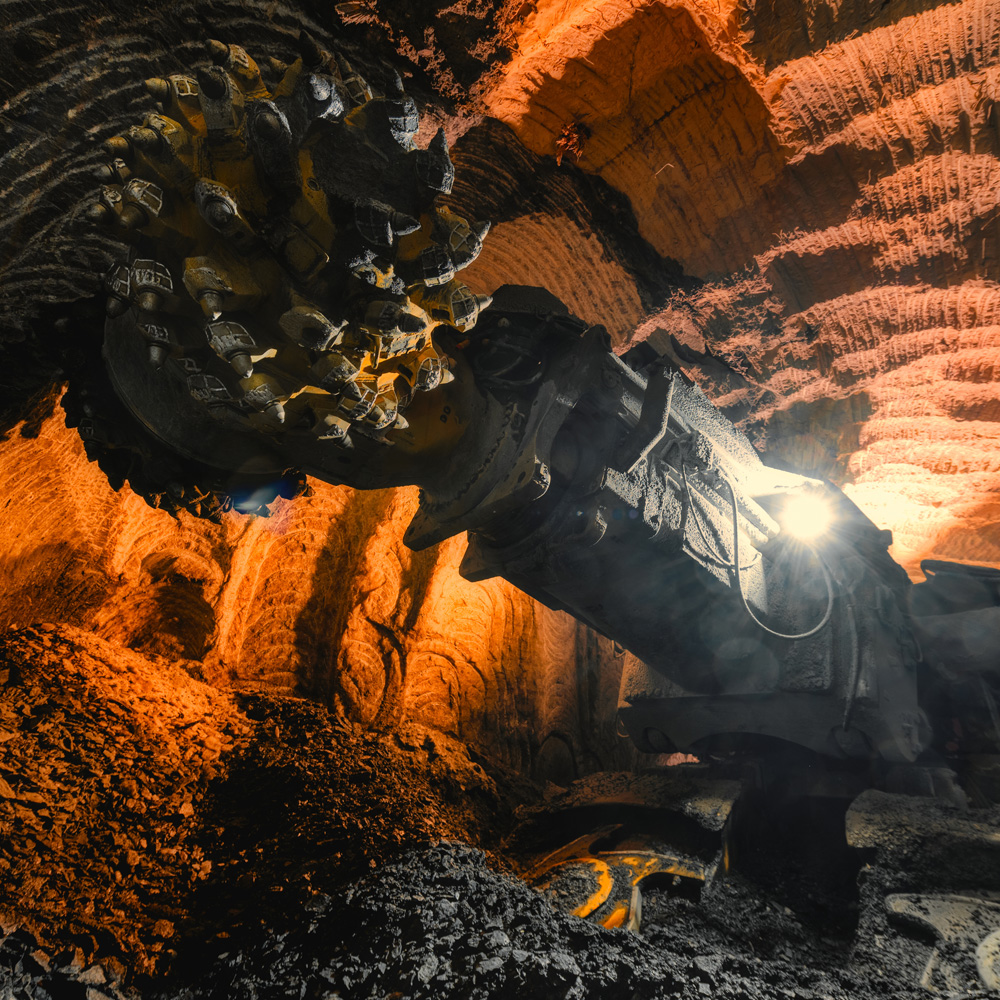
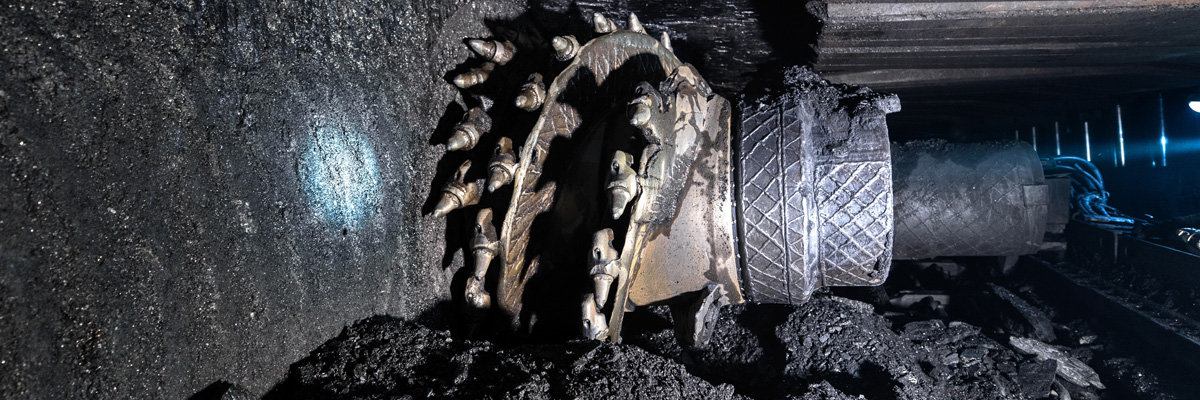
HYDAC was approached by an Original Equipment Manufacturer (OEM) specialising in the production of mining rock drills and their replacement parts.
The OEM encountered a significant challenge: the installed shell-and-tube heat exchangers were experiencing underground overpressure issues, leading to frequent failures and cross-contamination between fluids, for example, water mixing with oil.
This posed a major problem as the OEM prides itself on delivering enhanced drilling and digging performance, along with reduced operational costs, to its customers.
HYDAC’s innovative solution: the double-wall plate heat exchanger
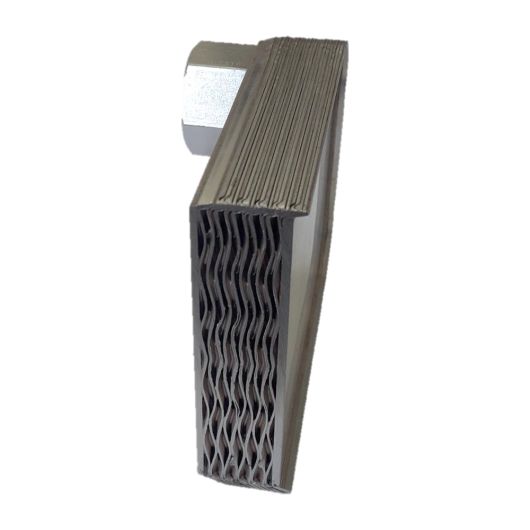
In response, HYDAC proposed a double-wall plate heat exchanger as a solution.
According to Johnny Davis, OEM Projects Coordinator at HYDAC Australia and New Zealand, plate heat exchangers are designed to transfer heat from one hot fluid to another cold fluid, typically oil to water.
Double-wall (safety) plate heat exchangers are specifically used when it is critical to prevent mixing of media — even in the event of plate damage — to avoid contamination.
The double-wall plate heat exchanger operates on the same principle as a conventional plate heat exchanger. However, the key difference lies in its construction: instead of single plates separating the fluids, the system uses pairs of identical plates, which are stacked and welded around the portholes.
Mr Davis explains that the distinction between the OEM’s standard heat exchangers and HYDAC’s double-wall design is crucial.
“Double-wall means that if over-pressurisation occurs, it vents to the atmosphere, leaking out of the plate heat exchanger instead of causing the two fluids to mix internally,” he says.
“This design not only prevents contamination but also ensures that HYDAC’s double-wall plate heat exchanger has a longer service life compared to the OEM’s original model.”
The timing of the OEM's issue with its heat exchangers coincided with HYDAC’s market introduction of the double-wall plate heat exchanger, as Mr Davis points out.
Critical consequences of over-pressurisation failures
Failure to address over-pressurisation has significant repercussions. Accessing equipment underground is both challenging and costly, as technicians must either repair the machinery on-site or bring it to the surface for servicing.
“This process can be highly burdensome for companies. Such failures result in considerable costs, which businesses naturally seek to avoid,” Mr Davis emphasises.
Minimising environmental impact through innovative design

A rupture in the plate heat exchanger can have substantial environmental consequences. If water contaminates the oil, the entire hydraulic system must be flushed, requiring the replacement of 80 to 100 litres of oil — typically every two to three months.
“This presents a significant environmental impact,” explains Mr Davis.
“However, with a double-wall plate heat exchanger, any rupture results in minimal loss. A pressure drop alerts the operator early, allowing detection before the issue escalates. The system can then be repaired without affecting the hydraulic system.
This minor oil loss is minimal in comparison to the environmental burden of replacing all the oil in the tank.”
Strengthening the collaborative partnership with the OEM

HYDAC had already established a strong, collaborative relationship with the OEM, having completed several successful projects together.
“HYDAC has a long history of supplying a wide range of products to the OEM, from electronic packages to plate heat exchangers,” says Mr Davis.
“We specialise in developing unique products and solutions to enhance the OEM’s existing offerings.”
Mr Davis further explains that the OEM operates a research and development facility in Melbourne, where it conducts rigorous testing. After successfully trialing one or two of HYDAC’s double-wall plate heat exchangers, the OEM proceeded with commercialising the prototype.
“Once the prototype was proven to work, it entered serial production, which led to the establishment of a formal supply agreement between HYDAC and the OEM,” Mr Davis states.
This agreement included HYDAC’s commitment to maintaining sufficient stock to meet demand.
The collaboration has proven successful, with the double-wall plate heat exchanger now sold through the OEM’s sales division.
Impact of HYDAC’s double-wall plate heat exchanger on operational efficiency
HYDAC’s double-wall (safety) plate heat exchangers are available in three sizes: HEX DW_510, HEX DW_610, and HEX DW_515. The plate material is stainless steel 1.4401, and the brazing material is copper. The maximum operating pressure is 30 bar, with an operating temperature of 200°C and a test pressure of 43 bar.
The DW plate heat exchanger is suitable not only for mobile applications but also for installations requiring WaterMark certification.
“Our double-walled plate heat exchanger helps minimise machine downtime and increases production efficiency for the end user,” concludes Mr Davis.
“The importance of not having to replace hydraulic fluid every time a plate heat exchanger fails cannot be overstated.”
Find out more about our double wall plate heat exchanger on this video below. And, contact us for more information.