As mobile machines become more connected, cybersecurity is no longer optional. It has become a core requirement in modern machine design.
Digital control systems, wireless interfaces and cloud connectivity are transforming how machines operate. They enable better diagnostics, remote access and improved operational efficiency. However, this increased connectivity also expands the potential exposure to cyber threats.
Why Cybersecurity is Critical for Mobile Machine Safety and Reliability

Today’s mobile machines face a wide range of risks. Vulnerable applications, unsecured CAN bus communication, weak password management and malware can all compromise system integrity. In some cases, attackers may manipulate control logic, leading to unsafe or unpredictable machine behaviour.
Beyond software threats, physical risks also exist. Unauthorised access to hardware or interference with sensor signals can directly impact machine safety. At the same time, wireless communication and cloud integration introduce additional entry points if encryption, authentication and access control are not properly implemented.
Alongside these risks, regulatory requirements are evolving rapidly. Frameworks such as UN R155 and UN R156 introduced mandatory cybersecurity and secure software update management for on-road vehicles in the European Union in 2021. These standards are now increasingly referenced for off-highway and mobile machinery.
The NIS2 Directive, which came into force in 2023, further strengthens cybersecurity obligations across critical sectors, including transport. Looking ahead, the EU Machinery Regulation will require safety-related functions to be protected against cyber threats from 2027 onwards.
Cybersecurity is therefore not just about compliance. It is a fundamental component of machine safety and long-term reliability.
Strengthening Mobile Machine Security from Hardware to Software
A robust cybersecurity strategy starts with a strong hardware foundation. Embedding protection directly into the controller creates a secure base for the entire machine system.
One example is the TTControl TTC 2000 series. Designed for demanding off-highway environments, these controllers combine high performance, functional safety and advanced cybersecurity features.
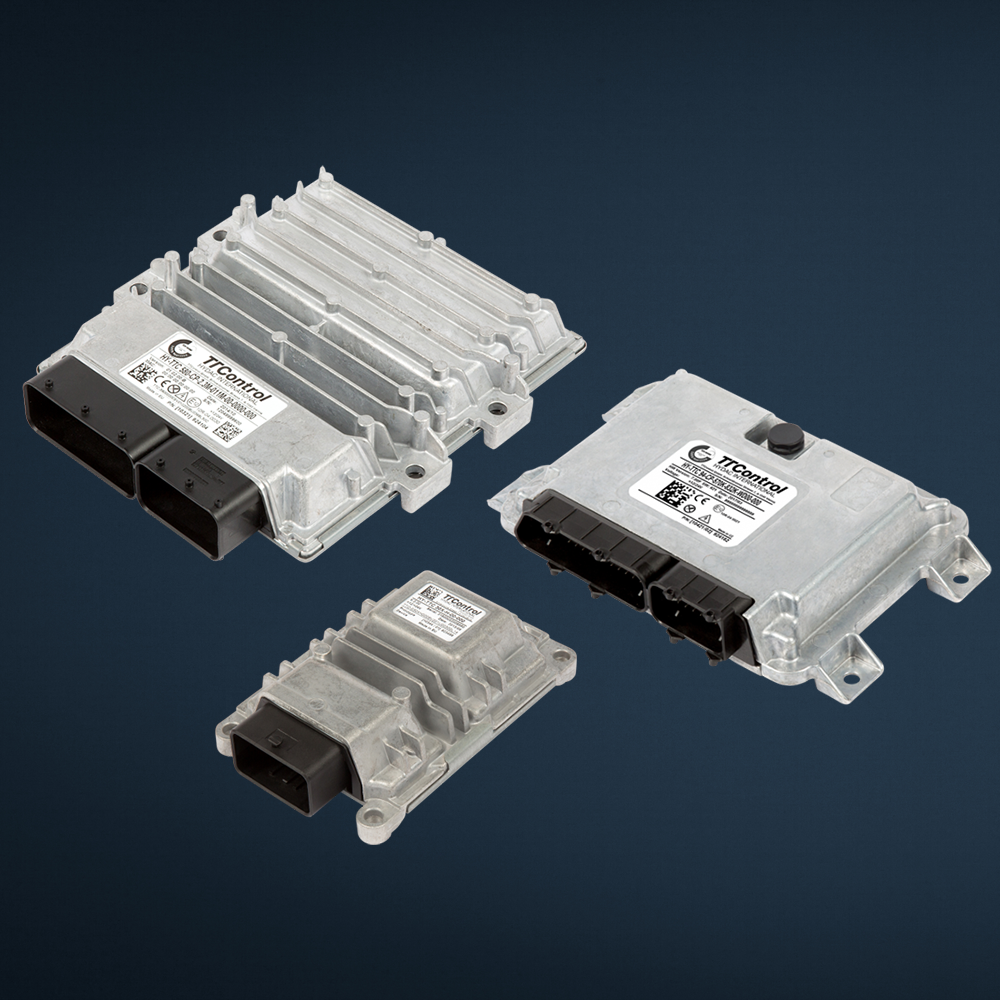
At the core of this approach is a Hardware Security Module (HSM). This module securely stores cryptographic keys and performs encryption and authentication within the controller, making it significantly harder for attackers to access sensitive data.
Secure boot adds another critical layer of protection. During start-up, the controller verifies the firmware to ensure that only trusted, digitally signed software is executed. This helps prevent unauthorised or malicious code from running on the system.
Additional protections, including secure downloads and authenticated communication, further reduce risks across CAN, Ethernet and other machine networks.
However, cybersecurity does not stop at hardware. Secure software plays an equally important role.
With MATCH software framework, encrypted communication can be established between controllers, displays and backend systems. Certificate-based authentication ensures that only authorised devices are allowed to connect, reducing the risk of unauthorised access.
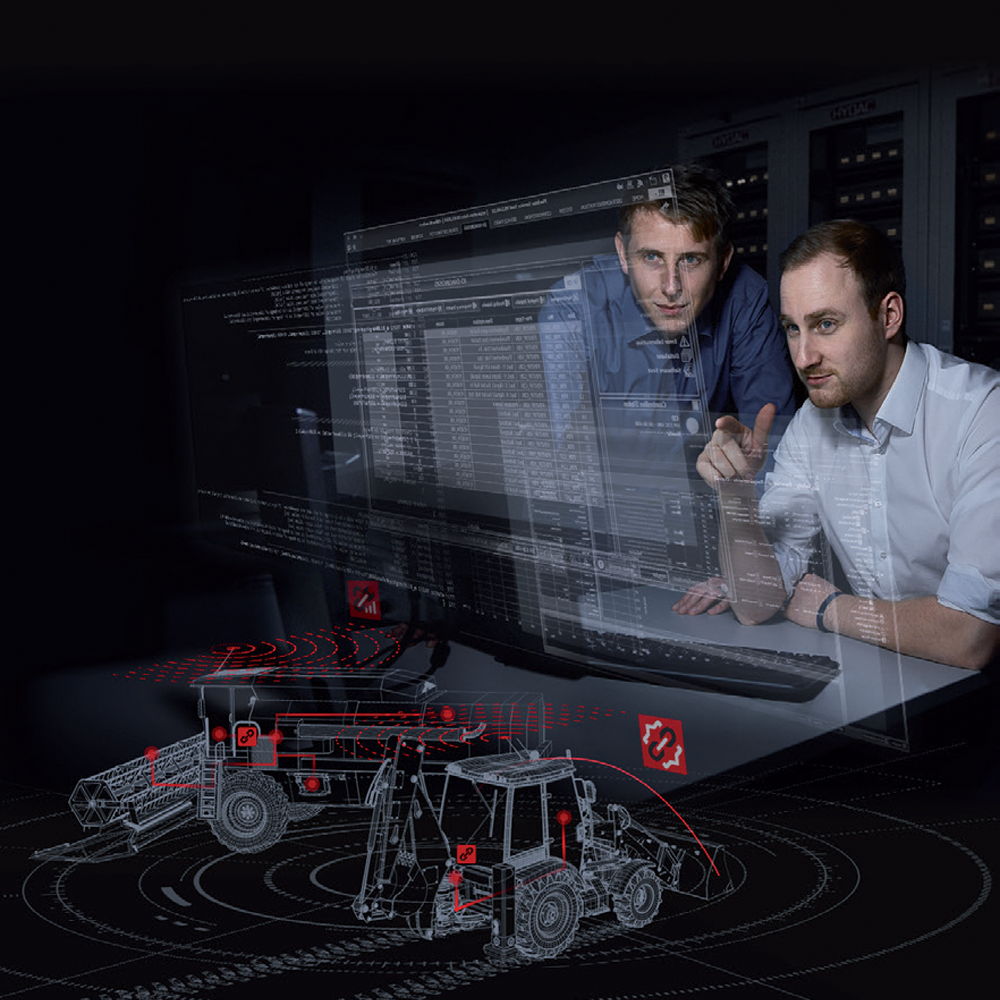
Software updates can also be digitally signed and verified before installation, ensuring system integrity is maintained throughout the machine lifecycle.
By combining secure hardware with trusted software, cybersecurity can be built into mobile machines from the ground up. This integrated approach helps protect operators, maintain system integrity and support reliable machine operation in increasingly connected environments.