HYDAC Australia assisted Optimal Group in the development of a cutting-edge cooling solution for a Panasonic hydrogen fuel cell application.
This collaboration marks a significant step forward in the group's efforts to deploy renewable energy technologies in Australia.
Partnership with Optimal Group

For some time, HYDAC Australia had worked alongside Optimal Group in the area of process filtration.
Optimal Group is a leader in the deployment of advanced renewable energy solutions in Australia, including Panasonic Hydrogen Fuel Cells, ITM Electrolysers, Capstone Gas Microturbines and RBE ECHO2 Biomass processors.
It is also renowned as an engineering, procurement, and construction (EPC) and engineering, procurement and construction management (EPCM) for complete plant design and delivery, with a focus on “green” minded projects such as the KC8 PACER Carbon Capture plant in Gladstone, Queensland.
Robert Huang, National Development Manager for the Power Generation sector at HYDAC Australia, explains that Optimal Group had set its sights on debuting Panasonic’s fuel cell technology in Australia by constructing a 5kW fuel cell genset. The challenge lay in finding an efficient and reliable cooling system for the hydrogen fuel cell application.
“This is where HYDAC's expertise came into play,” Mr Huang comments.
Initiating the collaboration
Recognising the synergies between the two companies, Mr Huang proactively reached out to Les Blackwell, Optimal Group Chief Technology Officer (CTO), to discuss the potential for a collaborative solution.
“The CTO was actively seeking a cooling system for his hydrogen fuel cell application, and after our initial conversation he expressed interest in meeting to explore the idea further,” Mr Huang recalls.
The initial meeting saw Mr Huang, along with key team members such as Andrea Cimadoro, National Development Manager for Thermal Management at HYDAC Australia and New Zealand, collaborate with the Optimal Group's leadership.
Cooling solution for fuel cells

In a fuel cell, the electrochemical reactions generate heat which, if not properly managed, can compromise the system’s efficiency and even cause damage.
Effective cooling is therefore essential, with air and liquid coolant systems commonly used to maintain optimal operating conditions. Fluid-air cooling, a standard method, circulates air-cooled fluid through the fuel cell stack to dissipate heat.
Based on the specifications provided by Optimal Group, HYDAC used advanced thermal simulation software to design a custom turnkey cooling solution. The OK-ELD-4.5H, a fluid-air cooler readily available off-the-shelf, was adapted for the hydrogen fuel cell application.
“By using advanced simulation methods to identify that we could apply an existing product within our portfolio with some slight modifications, we were able to deliver a solution to the customer quickly and economically,” Mr Huang says.
“The challenge with many aluminium coolers in demineralised/deionised water cooling circuits is that leaks can develop over time due to the absence of corrosion-resistant properties. HYDAC’s brazing technology addresses this problem, and HYDAC has been deploying thermal management solutions into demineralised/deionised water cooling circuits successfully for decades.”
The final system included an air cooler, an expansion tank, an overflow bottle, and a brazed plate heat exchanger, enabling fluid-to-fluid heat recovery as part of a cogeneration (cogen) or trigeneration (trigen) setup.
The brazed heat exchanger also offered the option for heat regeneration, ensuring the system could operate efficiently under various conditions.
Ensuring performance under extreme conditions
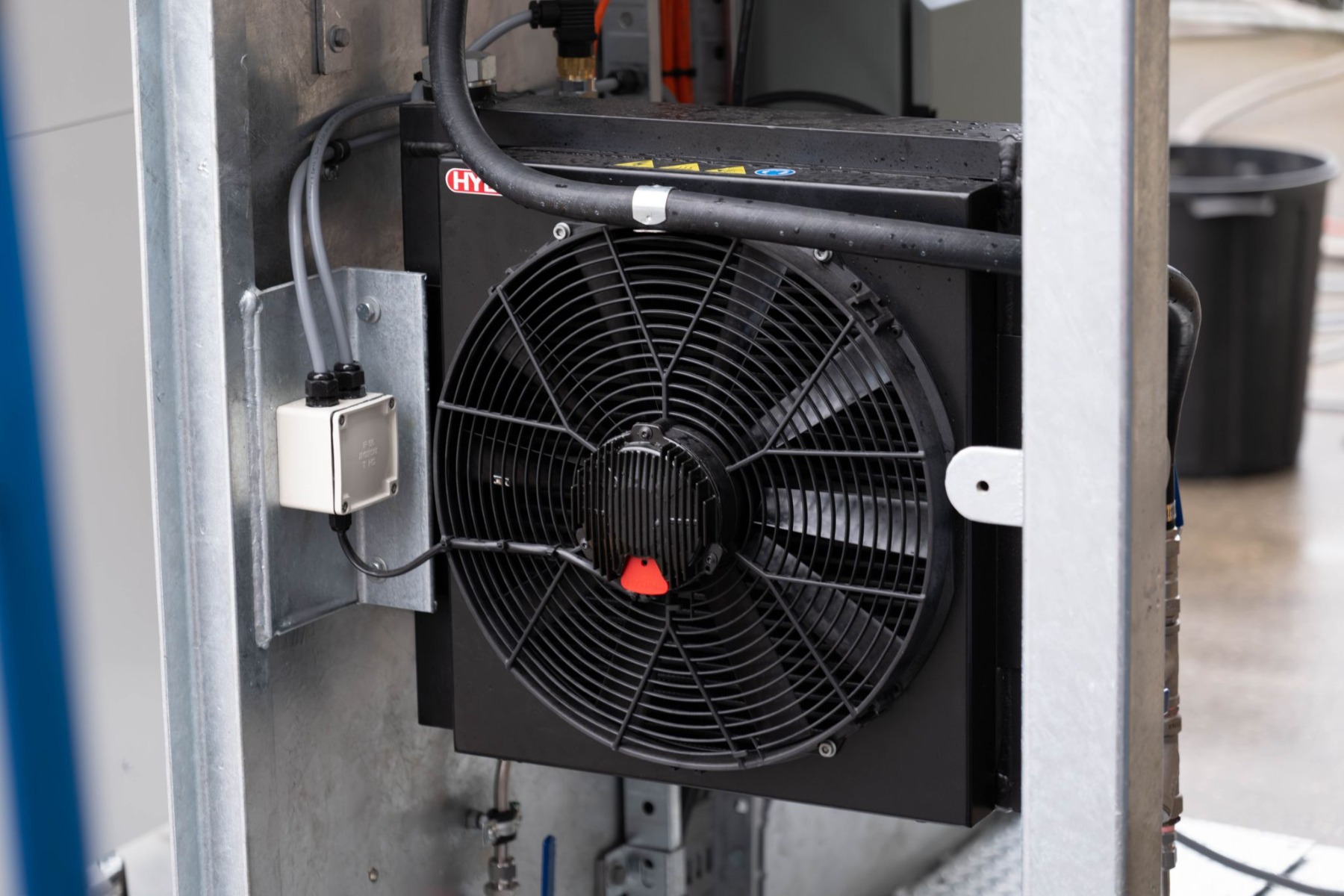
Before the system was delivered, HYDAC rigorously simulated the cooler’s performance to ensure it could function effectively even in extreme conditions.
“We conducted thermal simulations to ensure the system would adequately manage the heat load, even in temperatures exceeding 40 degrees Celsius,” Mr Huang explains. “The simulation confirmed the system would still perform as expected, and when tested, it did exactly that.”
The customer’s in-house testing further confirmed the system’s success.
“The results were outstanding, and the customer was extremely pleased with how well the cooler performed. It exceeded expectations,” Mr Huang reports.
One aspect that particularly impressed Optimal Group was the accuracy of the simulation software used during the design phase.
“The customer was particularly amazed at how precise the simulation software was,” Mr Huang adds, highlighting the role of technology in ensuring the success of the project.
Comprehensive support throughout installation and commissioning
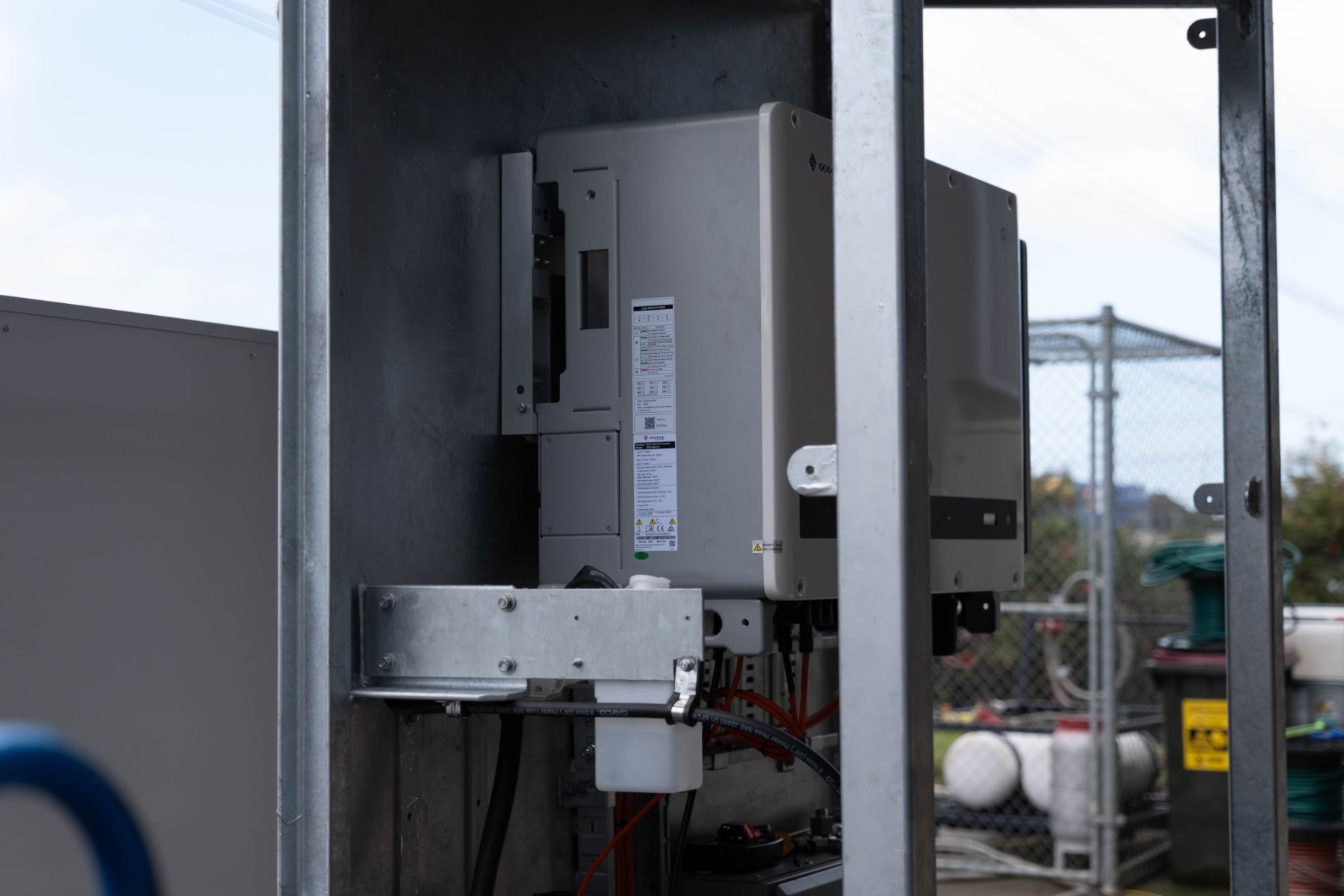
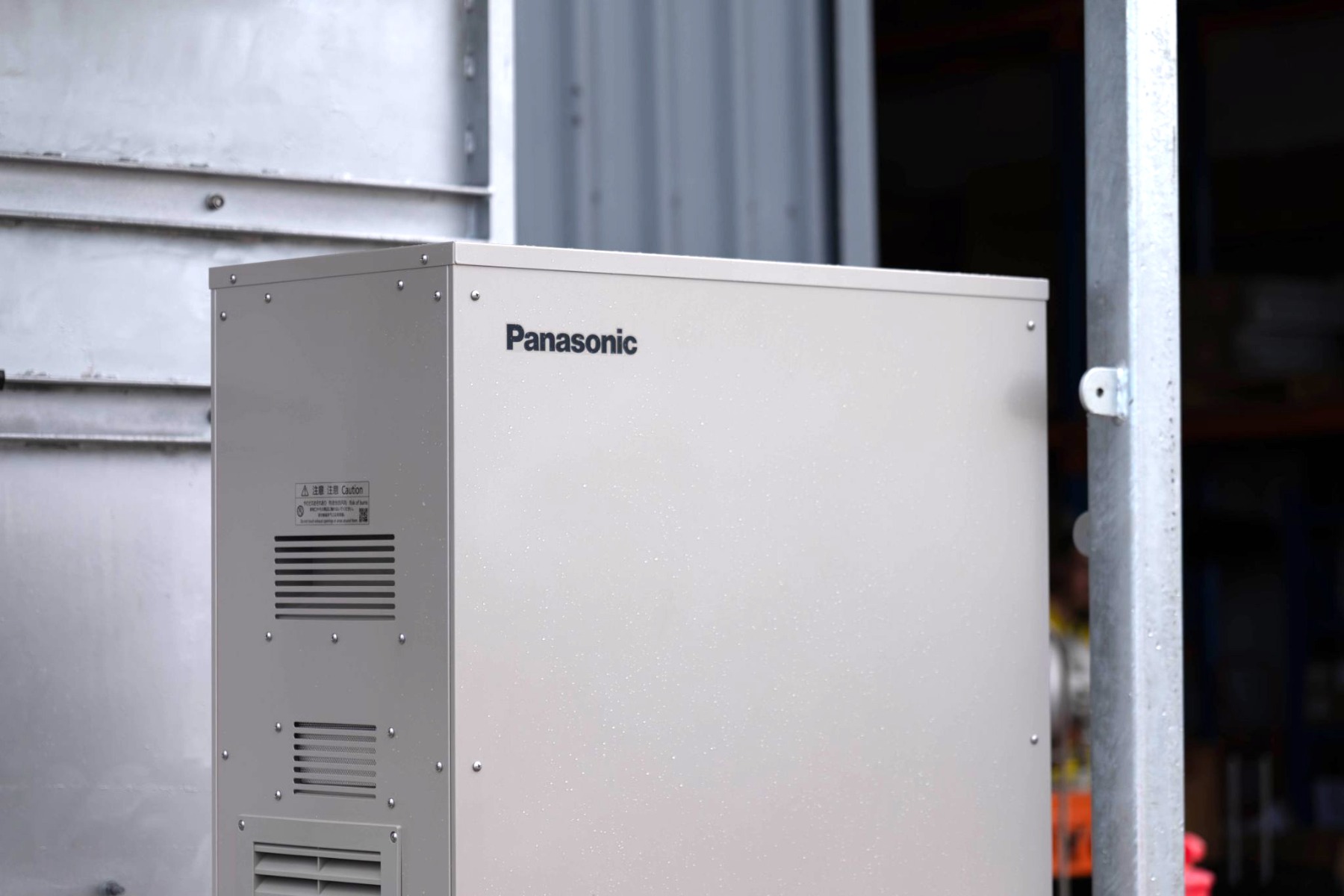
HYDAC provided close support throughout the entire process, from installation to commissioning. This ongoing partnership ensured that Optimal Group received not only a high-quality cooling system but also the necessary expertise and guidance for successful deployment.
In conclusion, this collaboration between HYDAC Australia and Optimal Group represents a key milestone in the advancement of hydrogen fuel cell technology in Australia.
The successful integration of the OK-ELD-4.5H cooler demonstrates the potential for renewable energy solutions to flourish with the right combination of innovative engineering, collaboration, and support.
The Panasonic fuel cell is now installed at Deakin University’s Hycel Technology Hub, a national leader in hydrogen research and development located in Waurn Ponds, Geelong.
Click here for more information on our Hydrogen Technologies.