




IO-Link Communication Interface

POA

IO-Link Communication Interface

What is an IO-Link Interface?

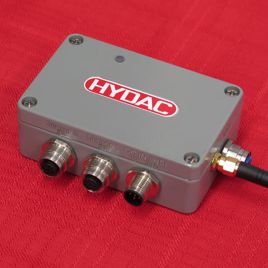
An IO-Link digital communication interface is a point-to-point communication device that’s designed to identify all types of fieldbuses and communicate with both IO-Link sensors and actuators without any interruption. An IO-Link interface gives users a simple and efficient connection to controls and access to business systems and networks. Any business that uses IO Link industrial communications technology is better able to compete against other organisations that use Industry 4.0 technology. Once the required cable is plugged in, it can be operated immediately.

How Do IO-Link Devices Operate?

IO-Link devices function in a similar fashion to standard analogue connection technologies, with a cable used to connect IO-Link sensors and actuators to a master data collector in order to transfer data within the organisation’s network.

IO-Link Communication System Components

  • IO-Link master
  • IO-Link sensors
  • Unshielded standard cables

What IO-Link Technology Can Operate

  • Machine tools
  • Plastic injection moulding
  • Presses
  • Steel plants
  • Condition monitoring
  • Wind power
  • Hydro power
  • Pulp and paper

Contact HYDAC Today

Get in touch with HYDAC today by either calling 0800 493 2269 or contacting us online to learn more about how using an IO-Link digital communication interface can benefit your organisation.

Product 
IOLink Digital Communication Interface

Please contact the store to confirm stock availability near you

FAQs

  • Is IO-Link a fieldbus?

    No, it is a digital point-to-point connection device.

    How does IO-Link technology function?

    One cable connects any smart sensors or actuators that are used to a master (data collector). Data will be transferred to other participants (controls) within the organisation’s network.

    What are the advantages of using a digital IO-Link communication protocol?

    An IO-Link digital communication interface protocol facilitates the transfer of data pertaining to:

     
    • Value status (validity of the process data)
    • Events (error messages)
    • Device information (ID, parameters, diagnosis)
    • Predictive analytics
    • Predictive maintenance
    • Bi-directional communication
    • Improved machine connectivity
    • Enhanced motion and control
    • Automation and control capabilities